Color Correction vs. Color Grading
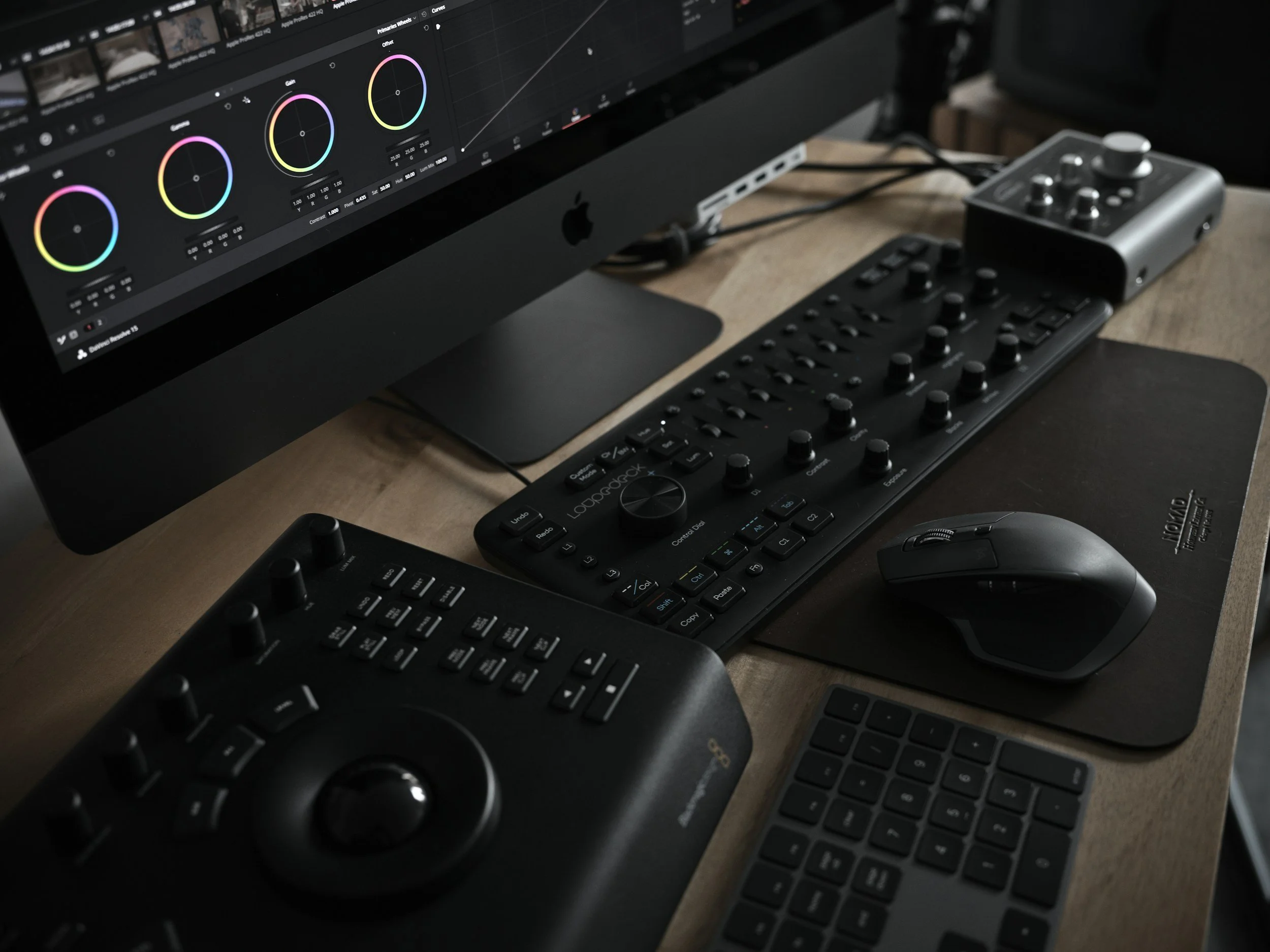
I am sometimes asked, “What is the difference between ‘color correction’ and ‘color grading’. These terms are often used interchangeably by people outside of the finishing suite but to a professional colorist they are two distinct phases of the color pipeline. While the toolsets are identical the aims, goals, and approaches differ significantly. So what’s the difference?
The term ‘Color Correction’ is a mostly technical process. The main goal at this stage is to neutralize and balance the image. Often during a shoot, especially outdoors, there will be fluctuations in light, exposure, and density. ‘Color Correction’ is the process in which a colorist balances these fluctuations so that all the footage is aligned and feels consistent. This part of the process is non-negotiable. To achieve a consistent look you must have a consistent foundation. Color Correction is this foundation and without it you’ll be chasing your tail once you try to apply your ‘look’.
Once the footage is technically “correct” we can move onto color grading. Color grading is the application of a stylized look for your film. This is the creative part of color correction where, along with the colorist, we find visuals that reinforce your narrative, evoke specific emotional responses, and establish a unique visual identity for your project. To summarize the above, correction is about what is “real” and grading is about what is “felt”. In a grade a colorist will utilize color theory to help influence the viewers mood while watching the film. The colorist will also utilize various tools at their disposal (like power windows or other masks) to direct the viewer's eyes to specific parts of the image. Certain genres of films have certain feels. You would grade a comedy with high contrast and a desaturated palette. It would feel too separate from the humor in the story. At the same time you wouldn’t grade a thriller to be vibrant with pastel-leaning hues. It would feel ‘off’. Grading is also where we apply the emulation of photochemical processes if a ‘cinematic’ or ‘film look’ is desired. This is usually towards the end of the pipeline and is what will give a project its professional, high–end finish.
While colorists categorize these processes separately this isn’t necessarily a step by step process. These two categories exist symbiotically. Grading on uncorrected footage will often appear muddy and incorrect as the technical imbalances distort the ‘look’. Conversely, a project that has only been ‘corrected’ might appear somewhat realistic but will be lacking in the emotion and professional look of cinema. For the filmmaker, recognizing this distinction is vital for communication. By separating the technical necessity of correction from the artistic opportunity of grading, we can better manage the post-production timeline and ensure the final image serves both the eye and the story.