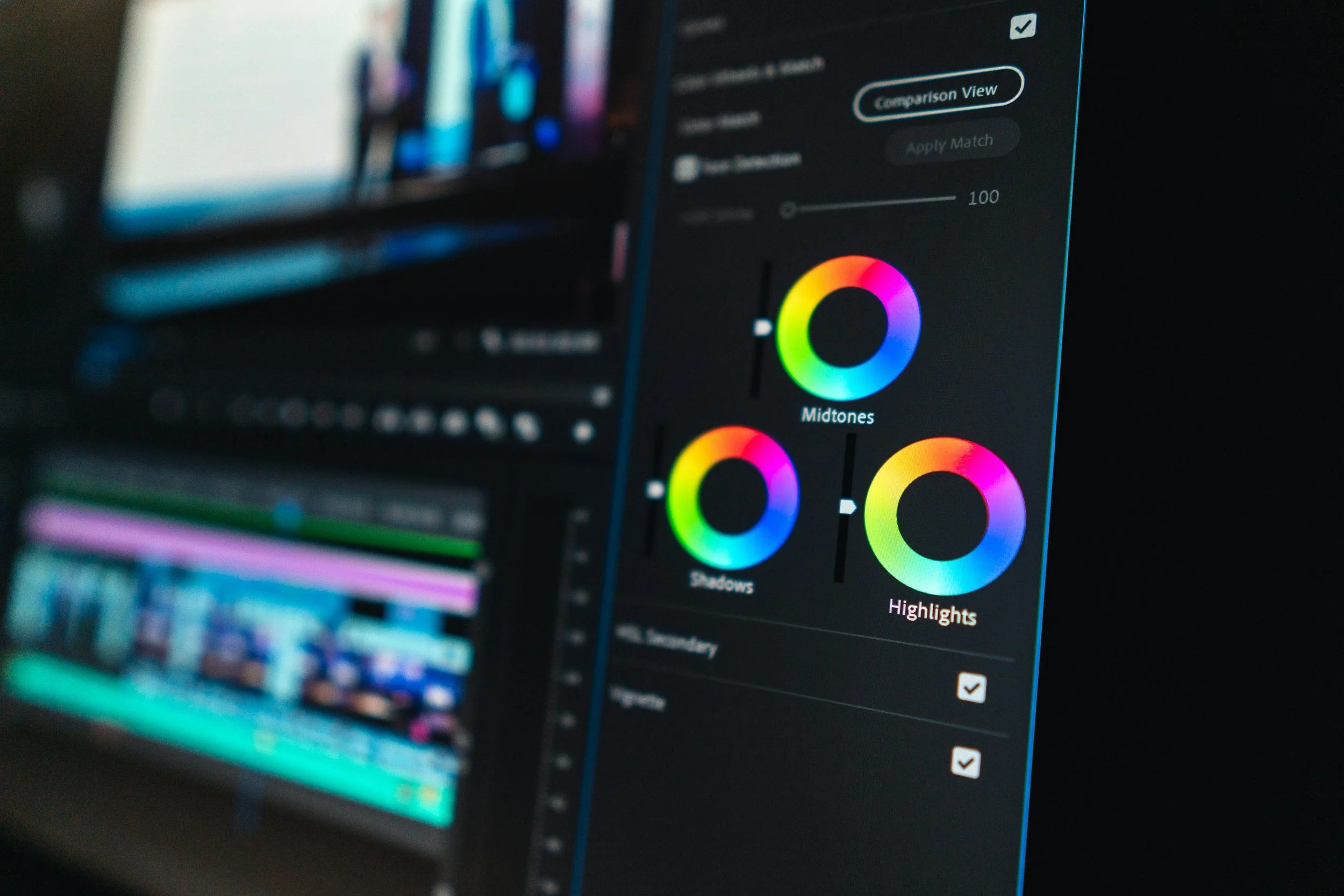
During preproduction calls one of the questions I’m asked often is some variation of “How do you work?” or “What’s your process?”. I try to run all my sessions along a similar path and in my experience I’ve found this to be the most efficient way to get from RAW footage to the final amazing color grade that gets everyone excited about the film. In an ideal situation we get to be in the same room together. Since deadlines are usually tight, once we get turnover I like to spend a day or two with the footage. During this time I am doing an overall balance pass (just correcting changes in exposure and hue variation between shots) and designing a few looks I’ll want to present to the clients. These looks are usually informed by conversations with the clients prior to turnover. Once I feel everything is in a good place the clients will be invited in for a lookset session. This can be anywhere from a few hours to a day where we jump through to one to two shots in each scene and set the looks. Once we’ve all decided on the looks for the film as a whole and the various scene specifics the clients usually leave and over the next two to three days I will balance the film based on this lookset session. This is largely technical and boring to watch and is generally a faster process when I am alone in the room. Once the look has been applied throughout the clients return and we spend the last day or two watching and addressing any notes they might have. If we have longer than a week to grade the film any of these periods can be elongated. I favor lengthening the time the clients and I can share space and look at the film on the same monitor. I always try to leave a period towards the end of the last day for us to watch the entire film down uninterrupted. If everything has gone smoothly according to plan after this watchdown is champagne and snacks.
During sessions I always embrace the idea of starting Macro and moving Micro. We start with the consistencies of the entire piece. That’s usually a specific curve, settings for any halation, grain, things of that nature. Then, we move into scenes. Overall notes for scenes. Once the overall look is set for scenes we move onto shot-by-shot notes and after that is minute specifics and dream list items. I have found that changing the order of this list as you go usually results in spending a lot more time fixing little things while pushing larger items (ie finishing grading the film) down the path and sets you up for a rushed, and often less than pleasant, last few days on the film. By setting everything up akin to a creative assembly line all notes are more likely to be addressed along with everyone feeling good and strong about the final product.